





When the NCAA’s Name, Image, and Likeness (NIL) rules changed in 2021, allowing college athletes to profit off their personal brand, endorsement deals, social media promotions, and other uses of their identity, it set off a revolution. Dozens of platforms and agencies scrambled to serve athletes, schools, collectives, and brands in this newly opened space. Among them, Opendorse has established itself as one of the dominant players — transforming from modest beginnings to a central pillar of the NIL ecosystem.
This article traces how Opendorse’s business model, tools, and strategy have evolved; the company’s funding (including its $20 million round); and how Nebraska (the Huskers) have played a part, including examples of athletes using Opendorse profiles and marketplace tools.
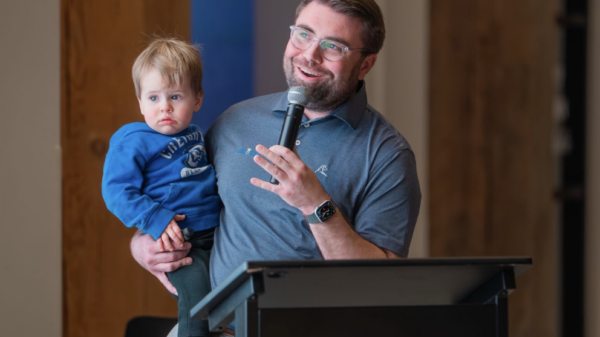
“The NIL industry is driving toward consolidation,” said Opendorse CEO Blake Lawrence. “Schools, collectives, and rights holders now know that a unified approach is the most effective path forward. With these parties working in concert, a $10 billion annual market is a reality.” Opendorse
Before NIL: Foundations, Slow Growth, and Positioning
Opendorse was founded before the full legal NIL era. It initially focused on sports marketing, brand partnerships, and helping athletes (especially pros) connect with endorsements. Growth in those years was relatively steady but modest, constrained partly by NCAA rules that prevented most collegiate athletes from legally profiting from their NIL. Such rules meant big upside was latent, not realized.
The platform built out infrastructure — athlete profiles, brand tools, social media distribution capabilities — that, while somewhat ahead of its time, had limited utility until regulation caught up. Comparisons to other platforms like INFLCR show that Opendorse’s early strategy was to combine tech + relationships with brands + regulatory foresight so that when NIL cracked open, it could scale quickly.
NIL Becomes Reality & Opendorse’s Rise
On July 1, 2021, NCAA policy changed. Suddenly, college athletes could sign endorsement deals, perform paid promotions, monetize social content, etc. This shifted the universe for platforms like Opendorse. Overnight, many athletes and schools that had been exploring brand-building tools turned to NIL platforms to take advantage of new opportunities.
Market Growth & Opendorse’s Metrics
- Opendorse and its NIL Reports (e.g. NIL at 3, NIL at 4) have tracked rapid growth in the NIL market. For example, total NIL spend projections rose from ~$917 million in 2021-22 to an expected $1.67 billion in 2024-25. Opendorse+1
- The platform claimed real NIL transactions exceeding $250 million in earlier years of the era, along with strong institutional adoption. Opendorse+1
- Opendorse now serves over 100,000 college athletes and works with many schools, brand partners, and collectives. Inc.com+1
Business Model & Tools
Opendorse built a set of capabilities that allowed it to benefit from NIL’s opening. Key elements:
- Marketplace / Athlete Profiles
Athletes have profiles where they can offer services: social media posts, appearance deals, autograph requests, personalized content, etc. Brands and advertisers can browse or post opportunities. Schools, collectives, and athlete support organizations can use Opendorse tools to help manage these deals and exposure. On3+3Opendorse+3Axios+3 - Compliance, Tracking & Distribution Tools
Because NIL regulation is complicated (state laws, university policies, NCAA oversight, contract/legal concerns, tax/financial reporting, etc.), Opendorse offers tools for ensuring deals are compliant, tracking performance (e.g. social impressions, delivery of content), distributing payments, and maintaining records. These tools reduce friction and risk for all parties. On3+2Inc.com+2 - Collectives & Institutional Partnerships
Opendorse teams up with NIL collectives (groups often formed to pool donor / supporter funds to sponsor or fund athlete NIL deals in particular schools or conferences), with universities directly, with athletic departments, and with brands. They provide technical services (market assessment, pricing guidance, fair market value, deal-building) and also institutional solutions. Inc.com+2On3+2 - Subscription / Platform Revenue + Commission
From their Series B press release: Opendorse charges brands, schools, collectives, etc., for using its platforms, advanced features, services (e.g., campaign management, analytics), plus commission or share on some of the deals facilitated via its marketplace. The press release notes that as demand increased, Opendorse is expanding its platform features (e.g. “advanced technology and professional services”) to meet that demand. Opendorse - Fan / Audience Engagement Tools
Opendorse also launched Opendorse Clubs — subscription-based membership offerings — giving fans exclusive access to behind-the-scenes content, team insights, etc. This adds another dimension of monetization and brand-building for athletes/institutions. Opendorse
Series B: $20 Million Funding Round
A big milestone came in December 2022, when Opendorse raised $20 million in a funding round to power its NIL solutions. Investors include Flyover Capital, Serra Ventures, Advantage Capital, sports media personality and NFL veteran Will Compton, and former Formula One Managing Director Sean Bratches. Opendorse
From the press release:
“Opendorse, the athlete marketplace and NIL company, has raised a $20 million funding round to maximize NIL opportunities for over 500,000 student-athletes.” Opendorse
With that injection of capital, the company stated it would use the funds to:
- Advance its existing platforms
- Expand its “market-leading NIL collective division”
- Enhance offerings for schools and brands
- Provide an all-in-one NIL solution for student athletes to manage deals, branding, content, and payments. Opendorse
This shows two things: first, that by late 2022, Opendorse already estimated it was serving roughly half a million athletes, and second, that the company believed NIL would not just be a niche, but a multibillion-dollar, sustained ecosystem — especially as rights holders, schools, and brands recognize the benefit of having integrated tools rather than fragmented ones. The fund was earmarked for growing its collective division, improving platform capabilities, and enabling schools and brands to manage more via Opendorse tools. Opendorse
Why Opendorse Became Dominant
Putting together all the above, here are the reasons Opendorse has worked well and become a go-to NIL platform:
- Early positioning & infrastructure — Even before NIL was fully legal for all student athletes, Opendorse had built tools, profiles, brand connections, payment/contract workflows. That meant when NIL opened, it wasn’t building from zero.
- Institutional buy-in — Working with schools, athletic departments, and collectives, not just individual athletes. This reduces friction, increases adoption, ensures compliance, helps with education and oversight.
- End-to-end tools — Marketplace + compliance + analytics + payments + educational tools. This reduces friction and risk for athletes, schools, and brands.
- Brand network & marketplace scale — Because many brands, right holders, sponsors are already using Opendorse, there is more activity, which enables more visibility for athletes. Scale drives more deals, more exposure, more data, which in turn attracts more athletes, which attracts more brands.
- Platform enhancements & product innovation — Features like Opendorse Clubs, collective spending tools, fair market value tools, and robust reporting help differentiate from simpler platforms or agencies that just broker deals.
- Funding & resources — The Series B $20 million round allowed Opendorse to aggressively scale product, support, and institutional relationships. It also signaled confidence to the market.
- Regulatory trust and compliance — Because NIL is legally messy, platforms that can provide transparent, compliant workflows, documents, contracts, oversight, and secure payments win trust.
Conclusion
Opendorse’s story is one of preparation meeting opportunity. For years it built capabilities and relationships; when the NIL gates opened, it was ready. Its business model — combining marketplace services, compliance, analytics, payments, institutional tools, and fan engagement — gives athletes, schools, and brands end-to-end support. The $20M Series B round allowed expansion of collective offerings, platform enhancements, and scaling operations.
For Nebraska Huskers and their athletes, Opendorse has become not just a platform for idle profile pages, but a tool that enables real monetization, more controlled exposure, and a trusted partner for navigating NIL.
As the NIL era continues to evolve—through revenue sharing, legal/regulatory adjustments, and increasing competition—Opendorse appears well-positioned to remain a dominant player. Their challenge will be to maintain innovation, stay ahead of compliance, and continue delivering value to both high-profile and lesser-known athletes alike.