














Travefy’s rise to the Inc. 5000 (3 times already) is the kind of story that feels both improbable and, at the same time, increasingly familiar if you’ve been paying attention to Nebraska’s startup ecosystem over the past decade.
Founded in Lincoln, Travefy built its business around a deceptively simple idea: helping travel advisors and travel brands better serve their clients through modern, collaborative itinerary and client management tools. At a time when much of the travel industry was still operating on fragmented systems and manual processes, Travefy leaned into software that made trip planning feel seamless, interactive, and professional. It’s a product that sits at the intersection of vertical SaaS and experience design. These are two areas where AI and automation are now accelerating change even further.
But the more interesting story isn’t just what Travefy does. It’s where and how it was built.
Lincoln, Nebraska is not the obvious starting point for a travel tech company with global reach. Yet that’s precisely the point. Travefy is a product of a growing pattern: companies that are born in Nebraska, shaped by its constraints, and strengthened by its unique advantages.
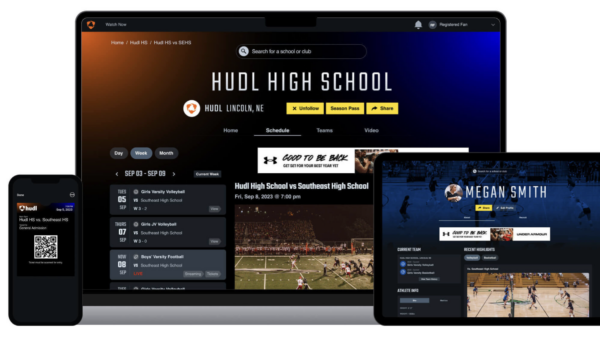
One of the company’s co-founders, Chris Davis, who was an early employee at Hudl, represents a direct lineage from Nebraska’s most well-known startup success story. Hudl didn’t just build a category-defining business in sports technology; it also created a generation of operators, builders, and product-minded leaders who understood how to scale software companies from the middle of the country. That experience matters. It shows up in how companies like Travefy approach hiring, product development, and long-term growth.
Hudl proved that you don’t need to be on the coasts to build a meaningful, venture-backed company. Travefy is part of the second wave (with third wave companies beginning to emerge), companies that benefited from that proof point and the talent network that followed.
Nebraska offers a specific kind of startup environment. It’s not optimized for hype; it’s optimized for durability. Founders tend to build with a bias toward revenue earlier, teams stay lean longer, and culture is often anchored in retention and trust rather than rapid churn. That translates into companies that may grow more quietly, but often more sustainably.
Travefy fits that mold. Over time, it has built a meaningful employee base in Nebraska, with a team centered in Lincoln that has scaled alongside the product. While not a massive workforce by coastal standards, the company’s local presence is significant in the context of the region – many employees contributing to product, customer success, and operations. In Nebraska terms, that’s exactly how ecosystems grow: not through a single explosive company, but through a collection of steady, compounding ones that build on big successes.
Making the Inc. 5000 is a milestone, but it’s also a signal. It reflects sustained revenue growth over multiple years, something that is often harder to achieve than early traction. For Travefy, it validates a long-term approach to building in a category that is both competitive and undergoing rapid technological change.
It also highlights something broader about Nebraska. The state has quietly become a place where companies can start, find talent, and scale to national relevance without needing to relocate. The combination of universities, companies like Hudl acting as talent anchors, and a growing network of founders and operators has created a flywheel effect.
In that sense, Travefy is not an outlier; it’s an example.
As AI continues to reshape software, particularly in industries like travel where personalization and automation are key, companies like Travefy are well-positioned. They already sit close to the customer workflow, and they’ve built products that organize complexity. The next phase will likely involve layering intelligence on top of that foundation, but building the foundation positions companies, like Travefy, perfectly for expanding opportunities with AI. Often this is how new technologies reveal best practices – not from complete scratch builds.
But regardless of what comes next, the origin story matters.
Travefy didn’t need to start in Nebraska. It chose to, and it stayed. And in doing so, it became part of a growing narrative: that meaningful, high-growth technology companies can be built—and scaled—from places that historically weren’t considered part of the startup map.
The Inc. 5000 recognition is a milestone for Travefy. It’s also a milestone for Nebraska.